Sample slot: add your own verified details.
Sample: Customer name or initials
Sample slot: add your own verified details.
Sample slot: add your own verified details.
One vessel, a related pair or a small family. Start with the relationship to the room; the form and material can be developed from there.
Choose a grouping, then describe the surface it will live on. The diagram is a conversation tool, not a product measurement.
Compact, balanced or generous changes the illustrated group’s share of the available width. Actual dimensions must be agreed with the maker.
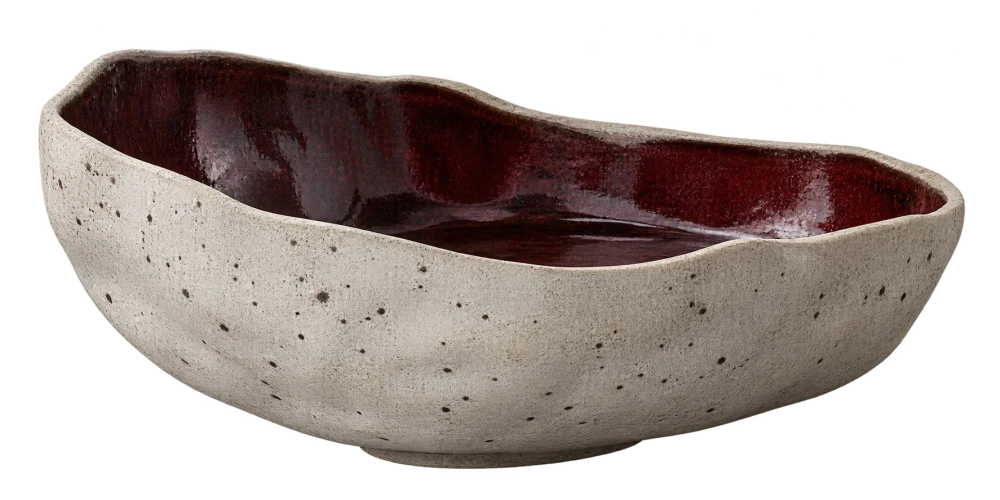
Your available surface
A single continuous form. Leave space around the rim so its irregular outline remains visible.
Consider the views from both ends of the room and whether people need to see across the object.
Add your surface measurement to calculate an initial group width to discuss.
The diagram repeats the same illustrative vessel at relative sizes for pair/family options. It does not depict made or available sets. No food-contact, water-tightness or material suitability is implied.
Carry this into your object briefMeasure the usable surface, not only the furniture’s overall width. Note nearby lamps, books, edges and the space needed for hands to reach the piece.
“An arrangement of dry stems” is a different brief from “a bowl for food.” State the actual contents and ask the maker to confirm suitability. Decorative appearance is not evidence of a functional standard.
A commission can specify a practical envelope while leaving the maker room to interpret. Agree what must be fixed, what can vary and how those decisions will be documented before work begins.
Instructional review space. There are no customer endorsements in this demonstration.
Sample slot: add your own verified details.
Sample: Customer name or initials
Sample slot: add your own verified details.
Sample slot: add your own verified details.
Google Business Profile URL: #