Repair.
Refit. Make.
Three starting points for small woodwork. The condition of the piece and the space around it decide the next step.
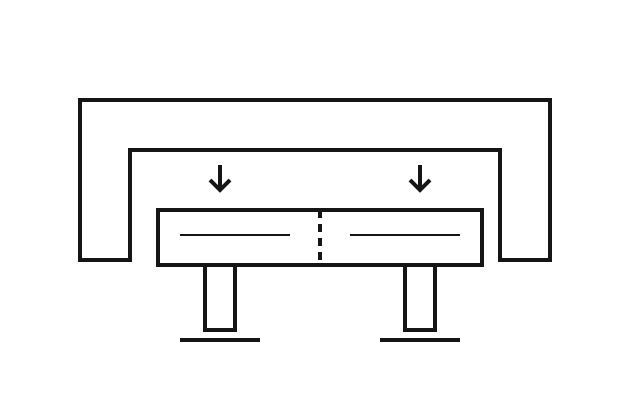
Repair
Keep the useful part.
Work may include a loose joint, damaged edge, sticking drawer or a surface that needs local attention. A first conversation establishes the material, condition and intended use.
- Furniture joints and small timber repairs
- Drawer runners and sticking moving parts
- Local surface work, subject to finish condition
Refit
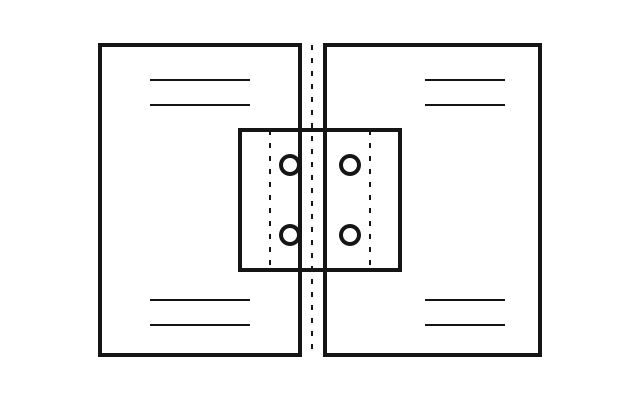
Make the existing fit better.
Cabinet and shelf adjustments start with alignment, fixing points and the surrounding space. Bring details of any planned changes so the work can be scoped together.
- Cabinet front and hinge adjustment
- Shelving and small fitted storage
- Trim and small interior joinery details
Make
Use the space you have.
A compact shelf, simple timber insert or small storage piece begins with dimensions and a clear purpose. Material choices, fixing details and finish are discussed before a build.
- Small shelves and timber inserts
- Simple made-to-fit storage components
- Replacement parts for suitable existing pieces
Gather once.
Be ready.
Select the work you want to discuss. Shared preparation appears once, with the tasks that need it. This is a planning aid, not an assessment or quotation.
Your preparation list
Tell us what
needs doing.
A photo, rough dimensions and your area are a useful place to start. This is a sample business; contact details need replacing.
Prepare an inquiry