Small urban gardens need more than a strong first photograph. They need a useful relationship between planting, people and care.
Begin with what is there.
Read the light, the ground, the routes and the existing planting. Ask how the garden is used and who will care for it. Keep uncertainties visible.
Site and use observations
Existing structure and planting
Care capacity and practical constraints
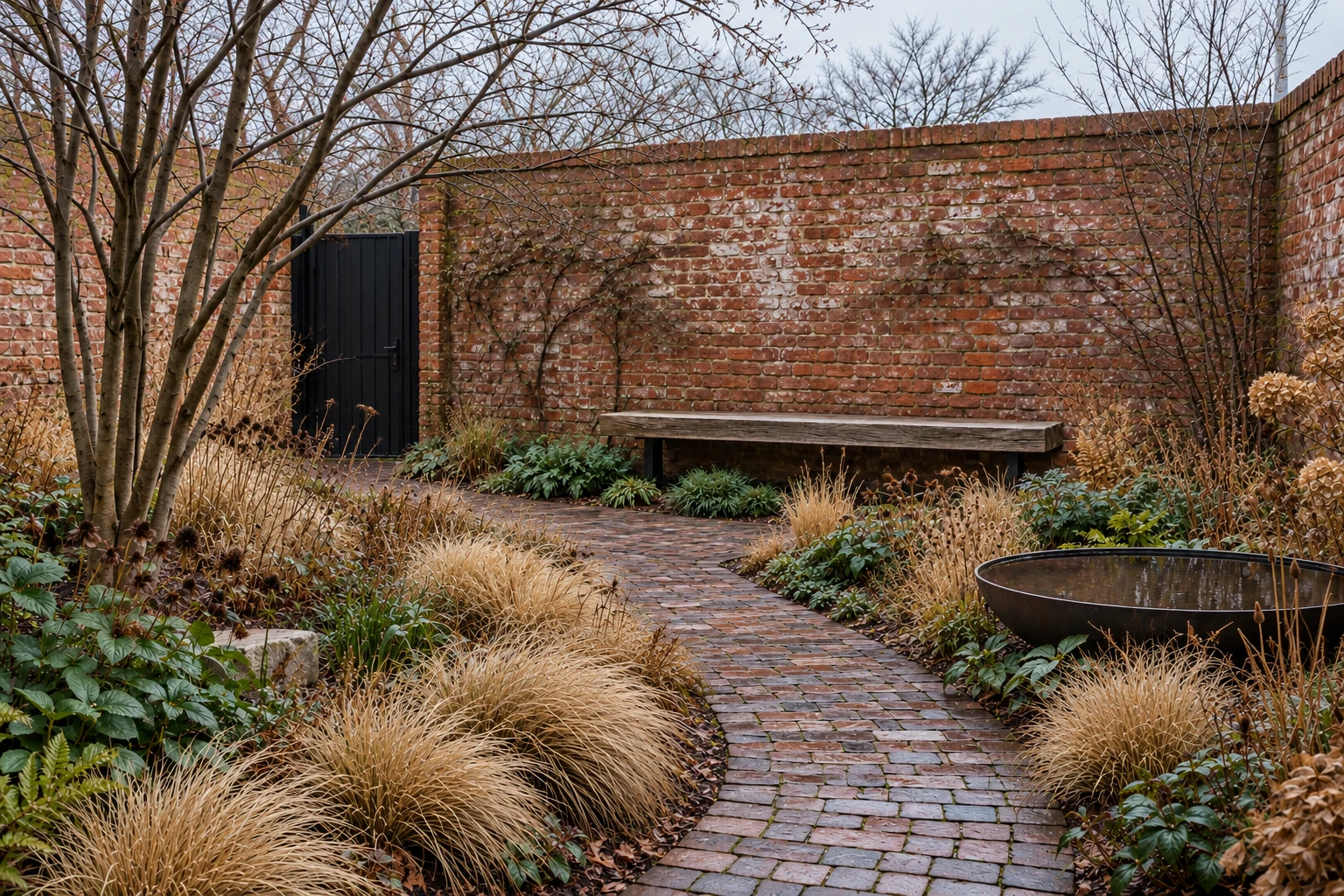
WINTER / THE FIXED STRUCTURE IS EASIER TO SEE
Give each part a role.
Think from canopy to ground, and from the entrance to the seat. A planting idea should explain what each layer contributes and how the route remains legible.
Seasonal character
Planting relationships
Use, access and maintenance intent
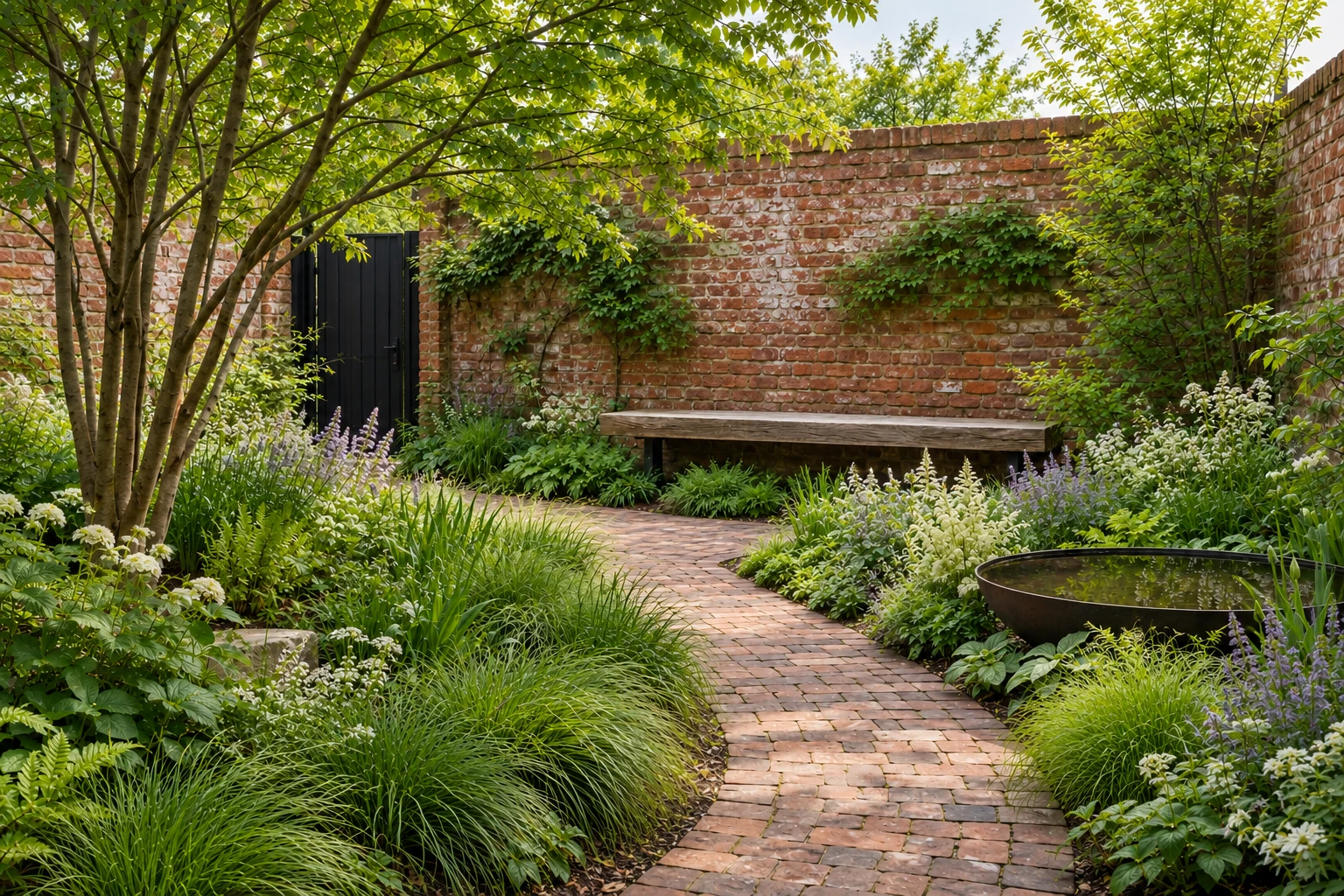
SUMMER / THE LIVING LAYERS AT THEIR FULLEST
Let observation improve the plan.
Compare the intention with the garden through the year. Note what is thriving, what has changed and what care is realistic before deciding the next intervention.
Seasonal observation record
Care priorities
A clear next-visit brief
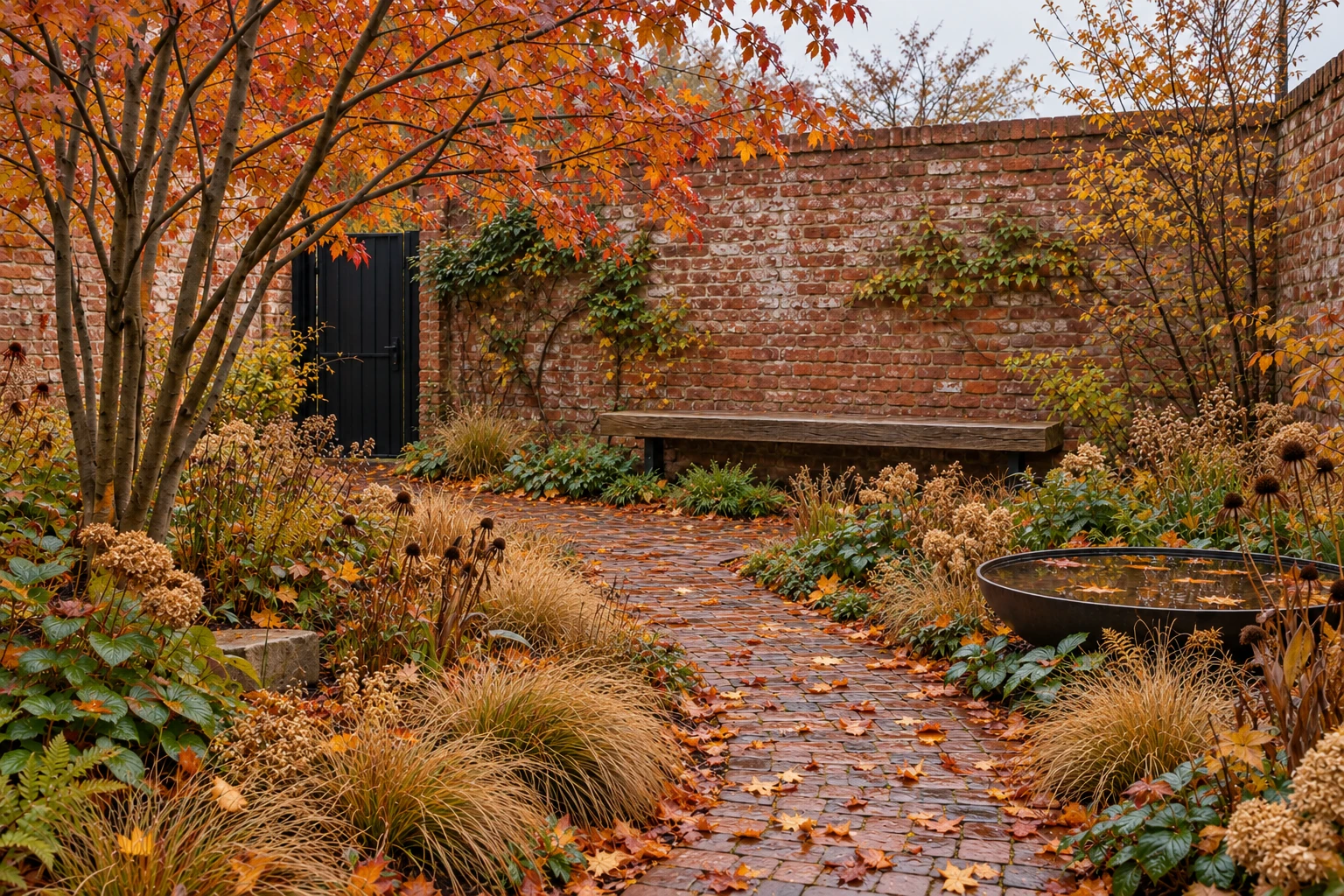
AUTUMN / CHANGE BECOMES INFORMATION
A practice with people in it.
Sample introduction · Replace these instructions with the story of your own garden practice.
Owner photo · Sample: an accurate caption for your own permitted photograph.
Sample: Landscape lead’s name
Sample: Actual role in the business
Serving Sample: area since Sample: year
Sample: Describe how your practice began, the gardens and people you work with, and what brings you back through the seasons.
Sample slot: add your own verified details.
Sample slot: add your own verified details.
Sample slot: add your own verified details.
Team photo · Sample: an accurate caption for your own permitted photograph.
Sample photo instructions: supply buyer-owned photographs with permission from everyone shown and permission to publish the work. No stock people. Replace each image’s alt description and caption with accurate details before publishing.
The atlas is a fictional design study. A real project begins with the actual site and the people using it.