The useful interruption
Copper’s patchwork of warm and cool can join two otherwise unrelated surfaces. Give it a limited role, and the junction does the work.
Open this relationshipMaterial direction for spaces, objects and printed worlds. Start with a surface. Find what belongs beside it.
Compose a material board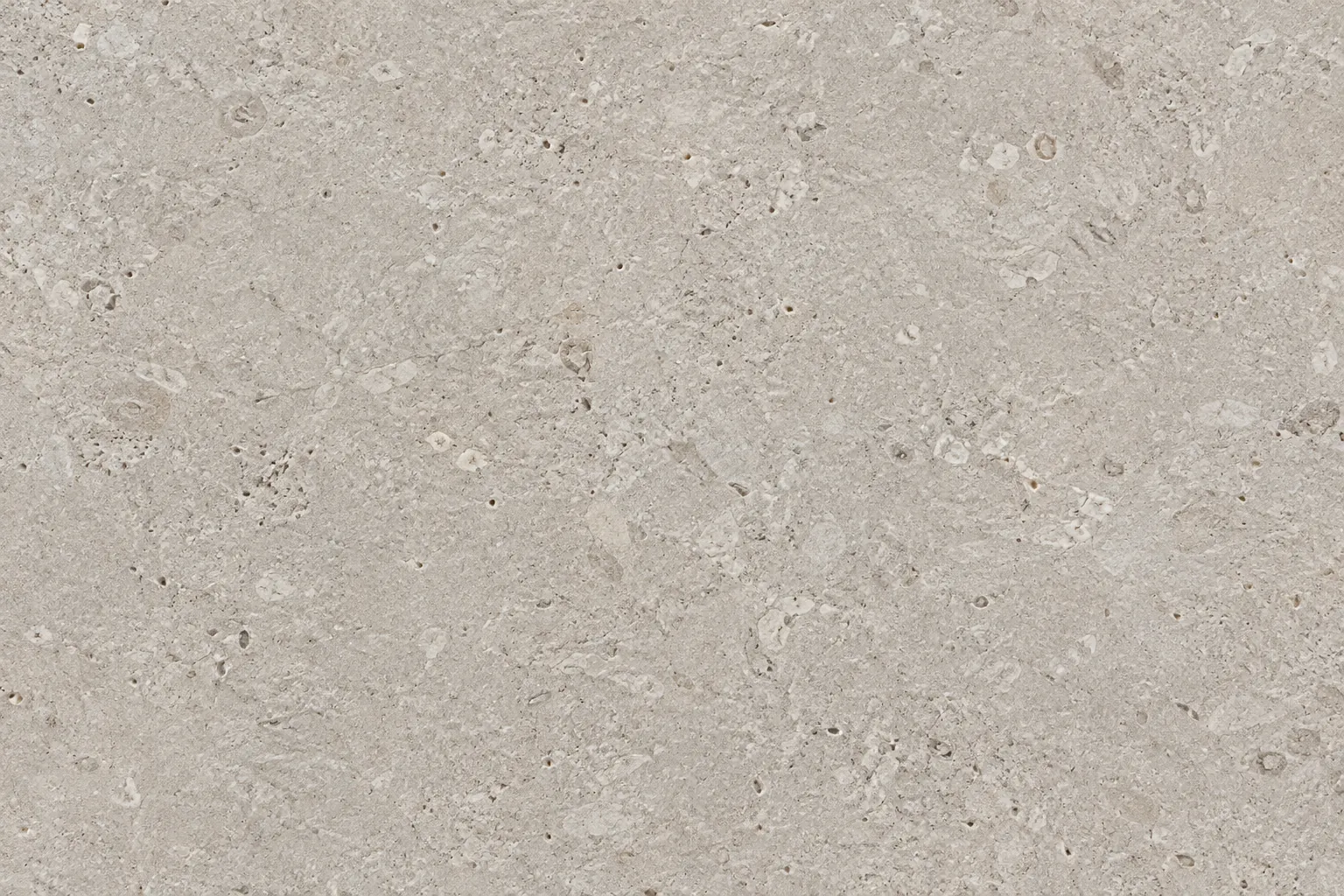 Pale limestoneMineral
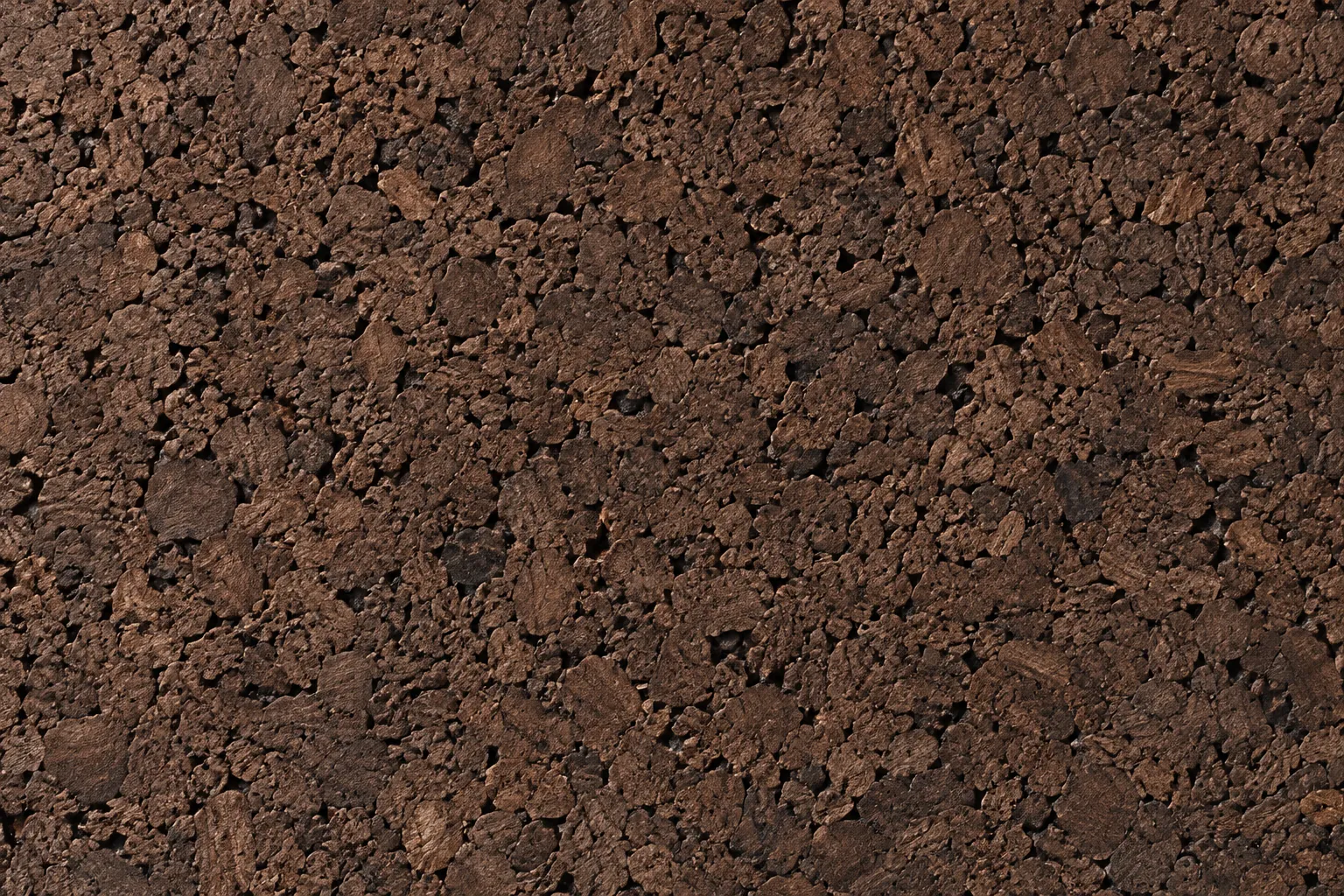 Dark corkGranular
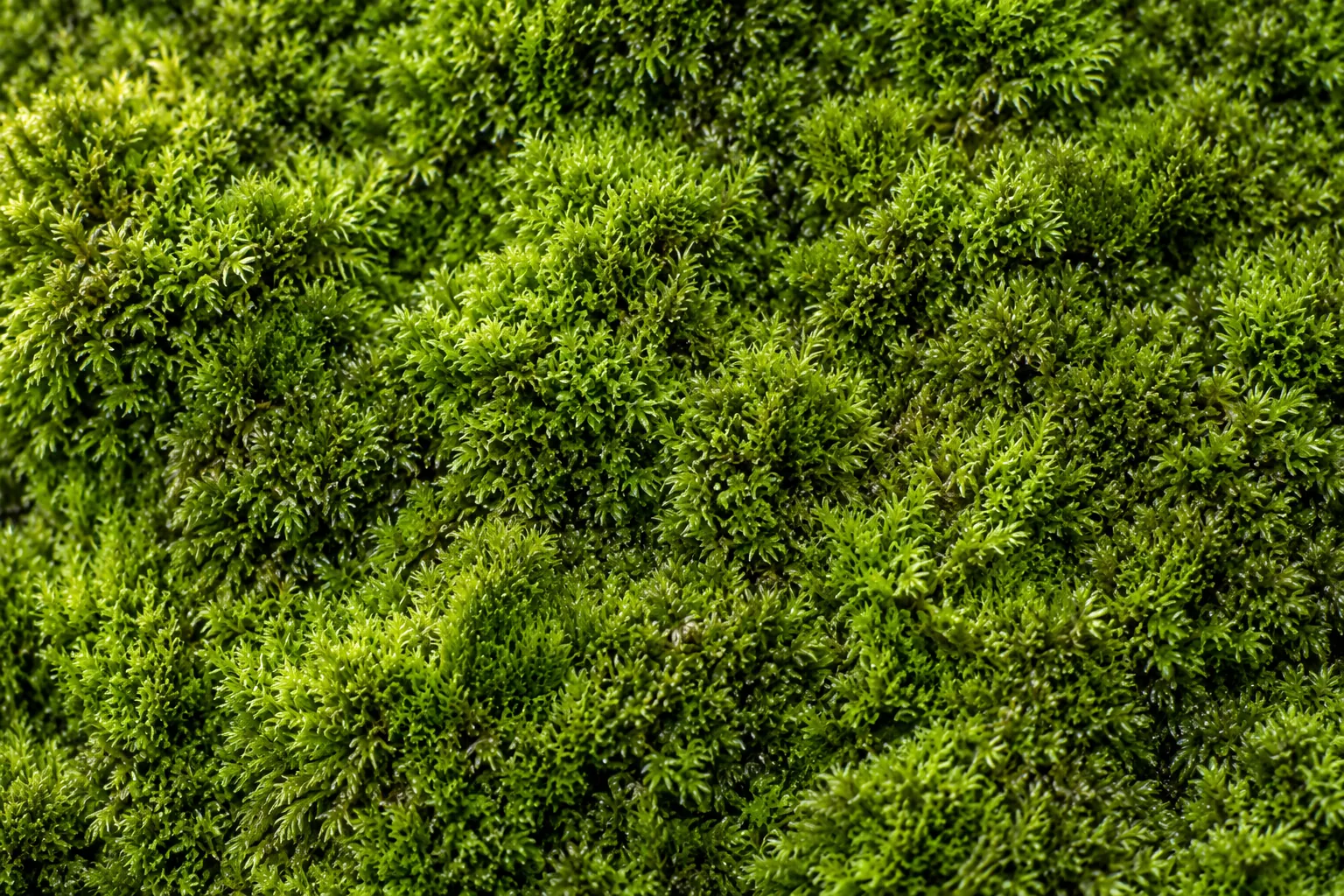 Cushion mossBotanical
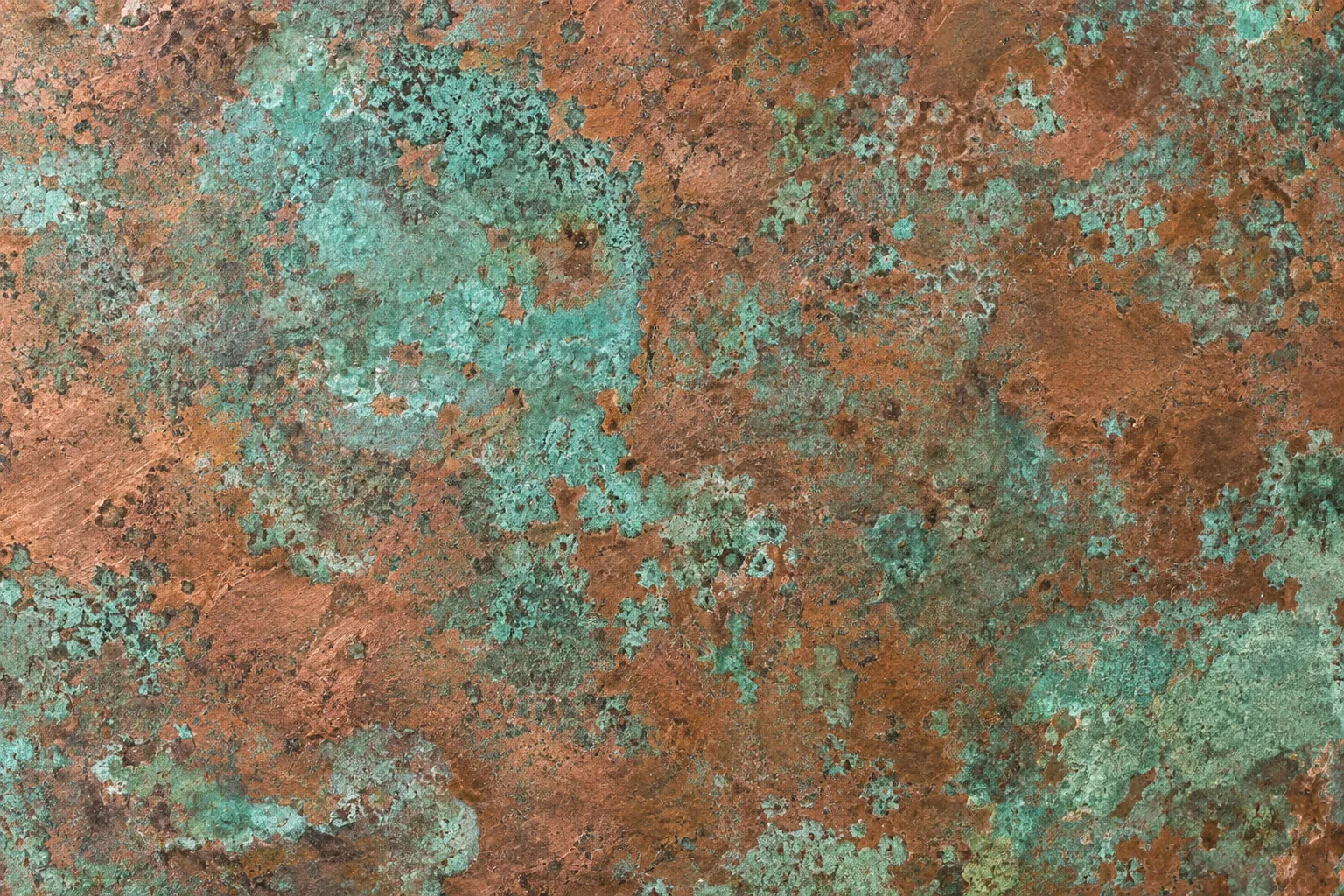 Oxidized copperMetal
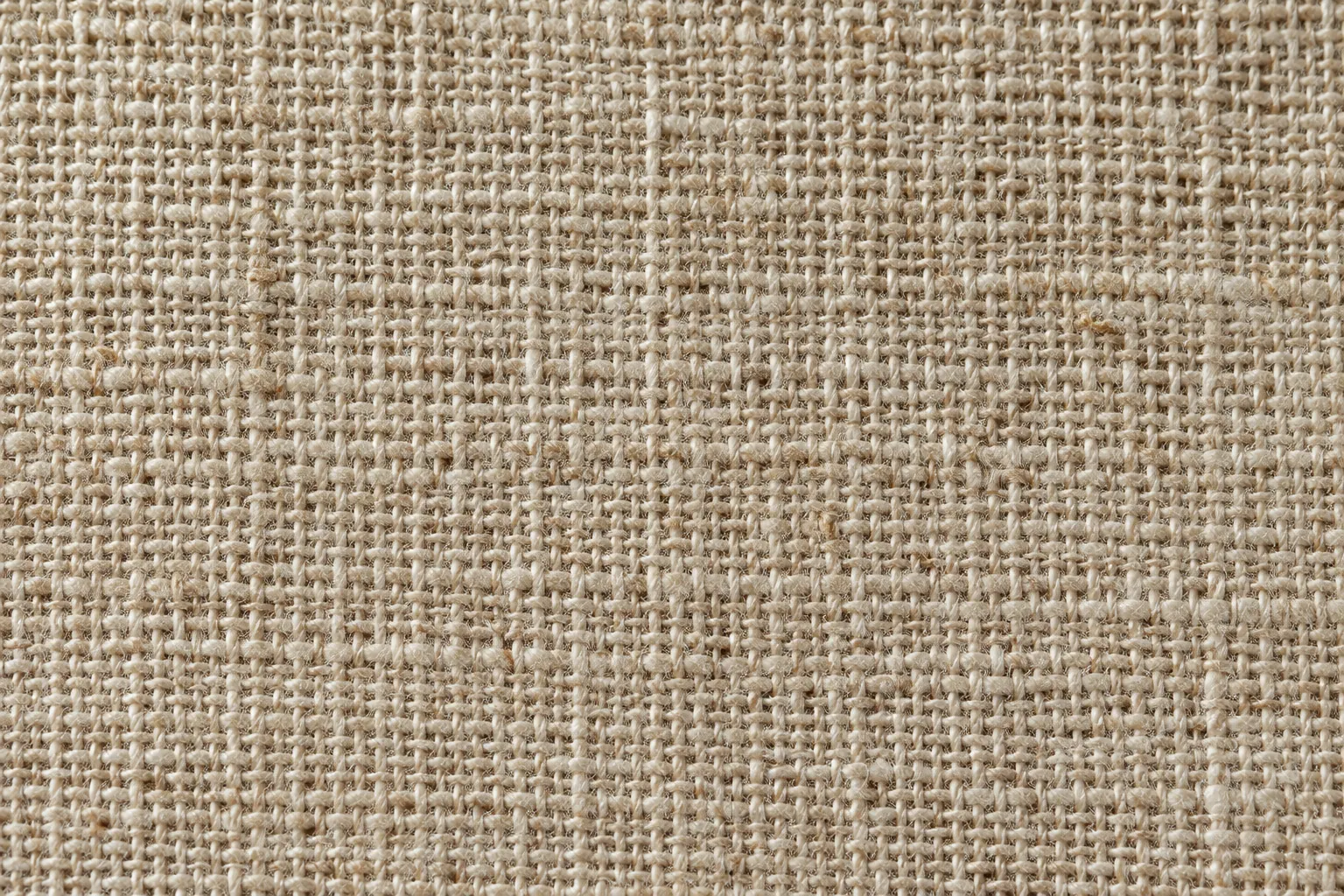 Woven flaxWoven
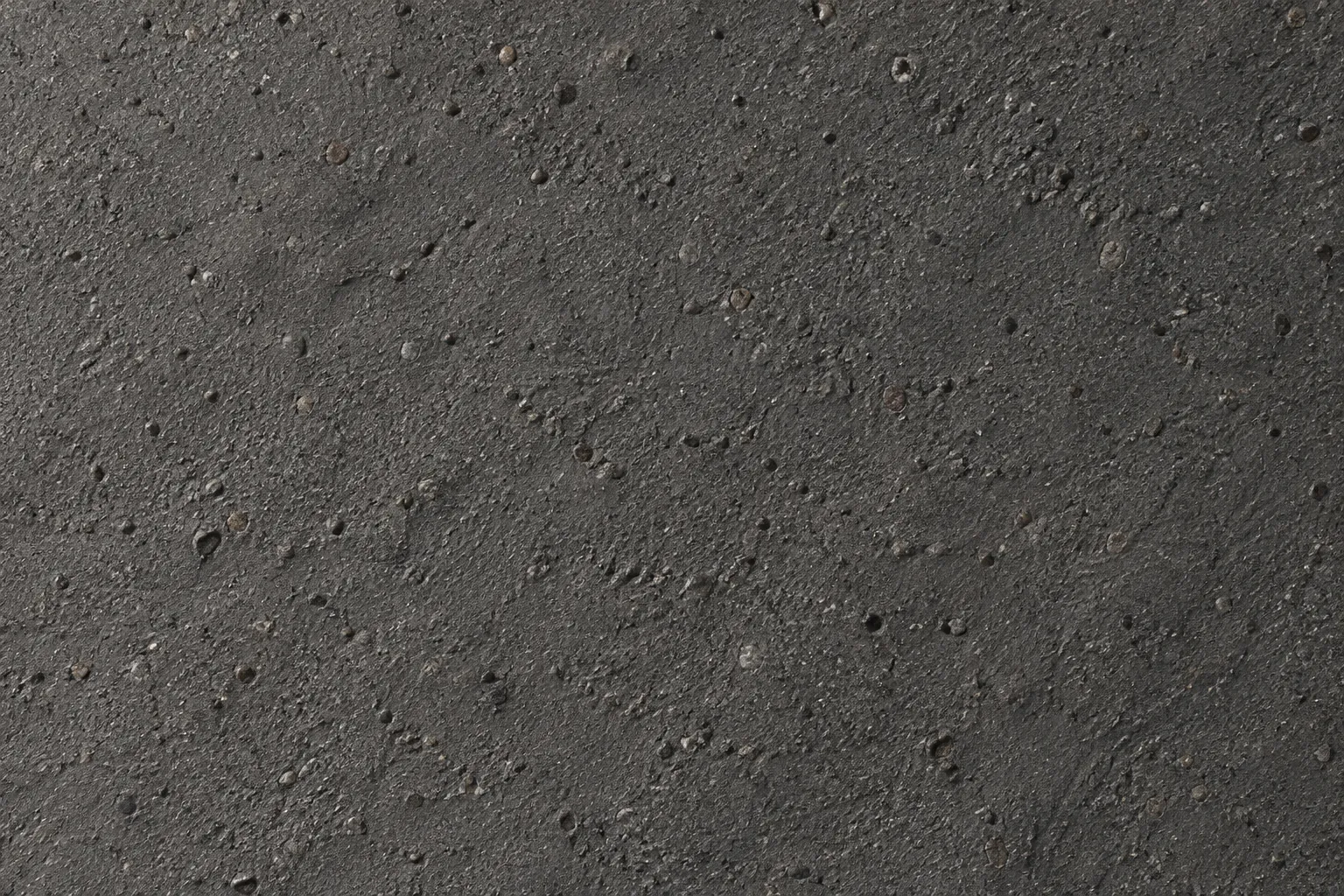 Charcoal clayFired earth
Six generated reference surfaces, arranged by visual character. Open a record to look closer.
The quiet field makes the coarse edge visible. A soft weave changes how a mineral face reads. We build material directions around these relationships, then ask what must be checked in the real world.
How a direction becomes a conversationCopper’s patchwork of warm and cool can join two otherwise unrelated surfaces. Give it a limited role, and the junction does the work.
Open this relationship